Avoid hidden charges in Hampstead removals what to know
Posted on 25/06/2026

If you are planning a move in Hampstead, the headline price is only half the story. The real headache often starts later: waiting charges, access fees, packing extras, mileage add-ons, or a "small" uplift that was never discussed properly. This guide on avoid hidden charges in Hampstead removals what to know is here to help you spot the warning signs early, ask better questions, and compare quotes properly before moving day turns messy. Truth be told, a good quote should feel calm and clear, not like a puzzle.
You will find practical ways to read removal quotes, what to clarify before booking, and how local Hampstead quirks, from tight streets to awkward stairwells, can affect the final bill. If you're moving a flat, a family house, or even a piano, the same principle applies: know what is included, what is not, and what could be charged later.
Why Avoid hidden charges in Hampstead removals what to know Matters
Hidden charges are frustrating anywhere, but in Hampstead they can be especially awkward because moves are rarely simple. Older buildings, narrow streets, resident parking restrictions, long carries from van to front door, and multiple flights of stairs can all affect cost. None of that is unusual. What matters is whether it was explained properly before the job began.
The problem is not always dishonesty. Sometimes it is vague quoting. A mover may give a low starting figure to win the job, then add extra items later for waiting time, poor access, dismantling furniture, or additional labour. That can leave you comparing one quote that looks cheap with another that is actually more complete. Not exactly ideal.
Knowing what to look for helps you make a fair comparison. It also helps you protect your budget at a time when you have enough to think about already. If you are moving within the area, you may also want to read a few nearby guides on the full range of local moving services and how pricing and quotes are typically structured so you understand the bigger picture before you commit.
For homeowners, renters, students and businesses alike, the cost of a move should feel predictable. Predictable does not always mean cheap. It means you know what the money is buying.
How Avoid hidden charges in Hampstead removals what to know Works
Most removal quotes are built from a mix of core and variable costs. The core part is usually the van, the crew, and the time booked. The variable part is where hidden charges can creep in. A sensible mover will ask about access, property type, volume, special items, distance, and packing needs before offering a firm estimate.
Here is the practical version: if you give only a basic description, you may get a basic quote. If you tell the company you are on the third floor, have a narrow stairwell, no lift, and a sofa that needs dismantling, the quote becomes more realistic. That is not a bad thing. It is the quote doing its job.
Some common pricing variables include:
- time-based labour, especially if the move runs longer than expected
- parking or access complications
- extra stops for collection or delivery
- packing materials and boxes
- heavy, awkward or specialist items
- waiting time if keys are delayed
- late changes to the volume of items
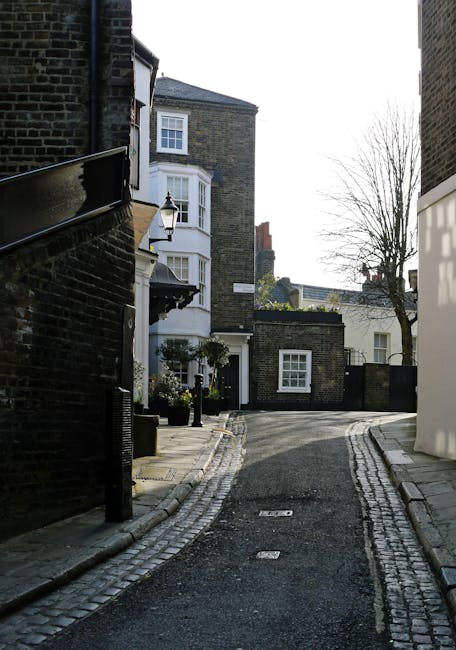
In local terms, Hampstead properties can be a little characterful. Lovely, yes. Convenient, not always. That lovely sash-windowed flat may also mean a tricky turn on the stairs and a van parked a short walk away. If you want a better sense of how access can shape a move, this article on narrow access removals tips for Hampstead homes gives a useful local angle.
The key is to ask for a quote that reflects reality, not optimism. Optimistic quoting is how surprise fees happen.
Key Benefits and Practical Advantages
Being strict about hidden charges is not just about saving money. It also gives you control, and honestly, that matters a lot on moving day when boxes are stacked near the hallway and someone is looking for kettle tea. A clear quote reduces stress in a very practical way.
Some of the biggest advantages are straightforward:
- Better budget control: You can plan the actual move cost rather than guessing.
- Cleaner comparisons: You can compare companies on the same basis.
- Fewer disputes: Clear expectations reduce arguments later.
- Smoother moving day: Less questioning, less delay, less friction.
- More trust: A transparent company usually feels easier to deal with.
This also helps with commercial decision-making. If you are choosing between different removal companies in Hampstead, the cheapest headline price may not be the best value if it leaves out essentials like waiting time or access assistance. In our experience, the most reassuring movers are the ones who explain the rough edges before you ask.
Expert summary: A fair removal quote should tell you what is included, what counts as extra, how time is measured, and what happens if access or parking changes on the day. If any of those points are vague, get them clarified in writing.
Who This Is For and When It Makes Sense
This advice is for almost anyone moving in or out of Hampstead, but a few groups should be especially careful. If your move involves narrow streets, a flat without a lift, specialist furniture, or a tight handover window, the risk of added charges rises quickly.
You should pay particular attention if you are:
- moving from a top-floor flat with stairs only
- booked into a short notice or same-day move
- relocating a student flat with more items than expected
- moving a home office with tech and fragile equipment
- transporting large furniture or awkward objects
- combining packing, removal and storage in one job
If you are moving house rather than a single room, it is worth looking at house removals in Hampstead and, for tighter spaces, flat removals in Hampstead. The right service choice matters because the more complex the property, the easier it is for costs to drift if nobody has asked the right questions.
Students and renters often assume their move is too small to involve hidden fees. Sometimes it is the smaller jobs that get caught out, because everything is booked quickly and nobody wants to slow the process down. That is usually when "oh, we'll sort that on the day" becomes expensive. A bit of awkwardness now can save a lot of awkwardness later.
Step-by-Step Guidance
Here is a simple process that works well if you want to avoid being caught out.
- Describe the move in detail. Include floor level, lift access, parking, large items, and whether anything needs dismantling.
- Ask for a written breakdown. Do not rely on a verbal estimate alone.
- Check what counts as extra. Ask about stairs, waiting time, fuel, parking, packing materials, and long carries.
- Confirm time rules. Find out whether the job is hourly, fixed, or partly fixed with extras.
- Clarify access on both sides. Your old place and your new one both matter.
- Ask about special items early. Pianos, artwork, mirrors, and bulky wardrobes need extra planning.
- Review the terms before you pay. Look for cancellation terms, deposit requirements, and charge triggers.
- Keep a record. Save messages, quote details and any agreed exceptions.
If you are unsure how much information is enough, give more than you think is necessary. A mover can always refine the quote, but they cannot guess a blocked driveway or an awkward basement after the fact. That is how many disputes begin: not with bad intent, just missing details.
When a move includes a specialist item, it can help to look at dedicated services such as piano removals in Hampstead or furniture removals in Hampstead. Those pages are useful because specialist handling often changes both the method and the price structure.
Expert Tips for Better Results
Here are the little things that make a big difference. Not glamorous, but useful. Very useful.
- Get the quote early in the day if possible. That gives time to spot odd details before the job is locked in.
- Ask whether the crew charges from door-to-door or depot-to-depot. Different firms handle timing differently.
- Check parking reality, not parking hope. A perfectly nice street can still be a pain for loading.
- Separate packing from moving. If you want boxes packed too, confirm the cost and materials up front.
- Photograph awkward items. A picture of the sofa, wardrobe or stair landing can make quoting more accurate.
- Ask what happens if keys are late. Waiting charges are one of the most common "surprises".
There is also a simple trust test. If a company is reluctant to answer basic questions about charges, that is a sign to slow down. The right mover should not mind being precise. In fact, precision usually helps them too.
If you are still comparing ways to move, you might find man and van options in Hampstead useful for smaller, simpler moves, while removals in Hampstead is a better fit for fuller household moves. Choosing the right service type is one of the best hidden-charge filters there is.
Common Mistakes to Avoid
A lot of moving-cost pain comes from the same few mistakes. The good news? They are easy to avoid once you know what they are.
- Only comparing the bottom-line number. A low headline price can hide a long list of extras.
- Not confirming access. Stairs, lifts, gates and parking are not small details.
- Leaving packing until the last minute. Rush packing often leads to damaged items and extra labour.
- Forgetting about bulky items. The wardrobe, bed frame or piano may need special handling.
- Assuming storage is included. It usually is not unless clearly stated.
- Not reading the terms and conditions. A bit dull, yes. Still worth it.
One thing people often forget is that removal costs are shaped by time as much as distance. A short move with two tricky staircases can cost more than a longer, easier one. That surprises people, but it makes sense once you think about it.
If storage is part of the plan, review storage in Hampstead before you book the rest of the move. Combining services can be efficient, but only if the cost structure is clear from the start.
Tools, Resources and Recommendations
You do not need fancy software to stay in control. A simple checklist, a notes app, and a few photos can go a long way. Here are the practical tools and resources that matter most:
- Property access notes: floor level, lift availability, entry codes, door widths, and parking distance.
- Item inventory: large furniture, fragile items, and anything that needs dismantling.
- Quote comparison sheet: list each mover side by side with inclusions, exclusions and assumptions.
- Written confirmation: email is enough, as long as it is clear.
- Relevant policy pages: useful for understanding how a company handles safety, payments, complaints and data use.
For reassurance and background reading, the pages on insurance and safety, payment and security, and terms and conditions can help you understand how a professional operator frames risk, payment and responsibility. If you care about service standards in general, the complaints procedure is also worth reviewing. A company that has thought these things through is usually more organised overall.
It can also help to browse about the company and see whether they explain their approach in plain English. That may sound minor, but vague wording often goes hand in hand with vague billing. Sometimes the wording tells you more than the price does.
Law, Compliance, Standards, or Best Practice
For removals in the UK, the most useful approach is to focus on transparency, fair dealing, and clear written terms. You do not need to become a legal expert, but you should understand what reasonable best practice looks like.
That usually means:
- quotes are explained clearly and honestly
- extra charges are disclosed before work begins where possible
- payment terms are visible in advance
- service limitations are not hidden in tiny print only
- customers can ask questions without being pressured
Good businesses also keep safety, accessibility and data handling in mind. If a move involves access issues, heavy lifting, or public spaces, the company should have sensible processes for reducing risk. You may not need the details on paper, but it helps to know they exist. The pages on health and safety policy, accessibility statement, and privacy policy are useful signals that a business has thought beyond the job itself.
There is a wider principle here too: if a quote depends on assumptions, those assumptions should be stated. That is simply fair practice. And in moving, fairness is not a luxury. It is the whole game.
Options, Methods, or Comparison Table
Different moving setups create different cost risks. Here is a simple comparison that can help you decide what is best for your situation.
| Option | Best for | Hidden charge risk | What to confirm |
|---|---|---|---|
| Man and van | Smaller loads, student moves, short local jobs | Medium if timing, stairs or waiting are unclear | Hourly rate, minimum charge, load size, access assumptions |
| Full house removals | Family homes, larger furniture, fuller inventories | Low to medium if inventory is accurate | Packing, dismantling, crew size, extra stops, parking |
| Same-day removals | Urgent or last-minute moves | Higher, because urgency can reduce flexibility | Availability, call-out terms, waiting time, what happens if plans change |
| Specialist item move | Pianos, large antiques, fragile valuables | Lower if clearly scoped, higher if not | Handling method, crew expertise, access, insurance, route constraints |
If you are still deciding between a smaller mover and a broader removals package, compare man with a van in Hampstead with removal services in Hampstead. The right choice is not just about price. It is about how much of the job you want handled and how much uncertainty you can tolerate.
Case Study or Real-World Example
Here is a realistic example based on a typical Hampstead flat move. Nothing dramatic, just the sort of thing that happens on a Tuesday morning when everyone is trying to stay calm.
A couple moving from a second-floor flat assumed their quote would be straightforward: one van, two movers, about three hours. The first quote looked attractive and had a lower headline figure than a competitor. But it turned out the lower price excluded packing materials, included only limited waiting time, and assumed parking immediately outside the property. That last part was the problem.
On moving day, the van could not park directly outside, so the crew had a longer carry than planned. There was also a short delay collecting keys from the new place. By the end, the final bill was noticeably higher than expected. Nothing illegal, nothing mysterious. Just assumptions that were never pinned down properly.
The lesson was simple: a slightly higher quote with clearer inclusions would have been better value. When they reviewed the second provider, they noticed the terms were much more specific, and the mover had already asked about access, parking and the sofa dimensions. That conversation made all the difference.
That is why quoting detail matters. The best price is not the cheapest one. It is the one that survives contact with reality.
Practical Checklist
Use this before you book. Print it, copy it, scribble on it. However you work.
- Have I given the mover a full list of items?
- Have I confirmed floor levels, lift access and stair counts?
- Do I know whether parking and long carries cost extra?
- Have I asked what happens if keys are delayed?
- Do I know if packing materials are included?
- Have I checked for dismantling or reassembly charges?
- Are fragile, bulky or specialist items clearly listed?
- Is the quote fixed, hourly, or partly variable?
- Have I read the terms on payment, cancellation and waiting time?
- Do I have the agreement in writing?
If you can tick most of those off, you are in a strong position. If several are still unclear, slow the process down. A careful five-minute conversation now can save an annoying five-hundred-pound surprise later. Okay, maybe not always that much, but you get the idea.
Conclusion
The smartest way to avoid hidden charges in Hampstead removals what to know is to treat the quote as the start of the conversation, not the end of it. Be clear about access, ask about extras, confirm how time is charged, and make sure every important assumption is written down. Hampstead moves can be wonderfully local and manageable, but they do reward a bit of preparation.
Once you know what to ask, the process gets easier. The quote becomes clearer, the comparison gets fairer, and moving day feels far less like guesswork. That alone is worth the effort.
If you are planning a move soon, choose the provider that answers your questions plainly, not the one that just sounds cheap. A transparent mover is usually the one that helps you breathe easier when the boxes start stacking up.
Get a free quote today and see how much you can save.
And if you do nothing else today, at least ask the awkward questions now. Future-you will be grateful, probably with a much calmer cup of tea.